Top BBC Bosses Resign Amid Criticism Over Editing of Trump Speech
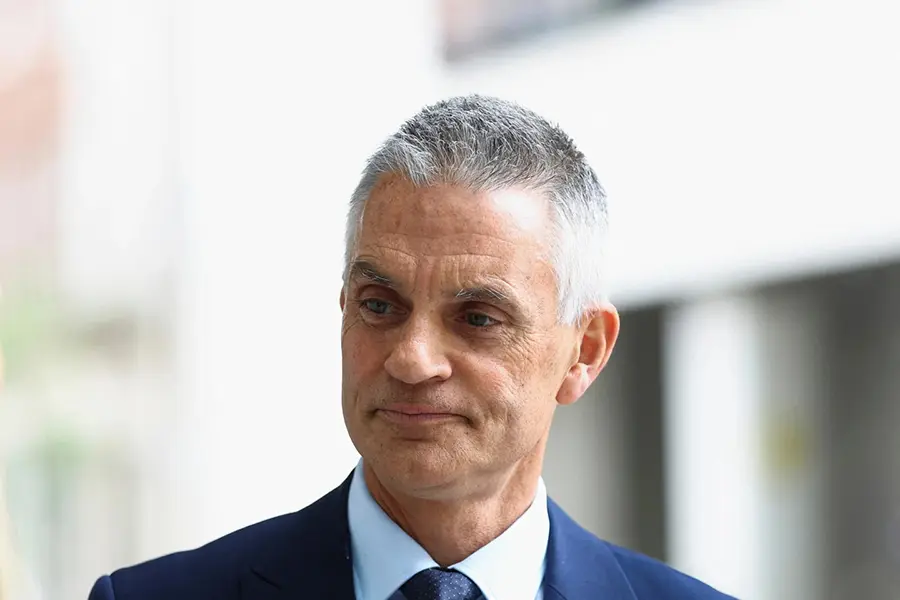
Two of the BBC’s most senior executives have resigned amid mounting criticism over the broadcaster’s editing of a speech by US President Donald Trump.
The BBC announced on Sunday that Director-General Tim Davie and Deborah Turness, CEO of BBC News and Current Affairs, had decided to step down.
The controversy centres on a BBC Panorama documentary that used edited excerpts from Trump’s January 6, 2021 speech, delivered before protesters attacked the US Capitol in Washington.
Critics argued that the documentary combined remarks made at different points in the speech in a way that could give viewers a misleading impression of what Trump had said.
TRUMP SPEECH EDITING UNDER SCRUTINY
A clip circulated by The Daily Telegraph appeared to combine separate sections of Trump’s speech into a single sequence.
In the documentary, Trump was shown referring to supporters walking towards the Capitol before saying they would "fight like hell".
However, transcripts and recordings of the original speech show that the remarks were delivered at different points.
During his comments about supporters going to the Capitol, Trump also said they would "peacefully and patriotically" make their voices heard.
The phrase "fight like hell" came later in the speech and was not made as part of the same passage referring to the march towards the Capitol.
The editing subsequently became the focus of criticism over whether the programme had accurately represented the context and sequence of Trump’s remarks.
DAVIE ACCEPTS ULTIMATE RESPONSIBILITY
Davie, who has led the BBC for five years, said his decision to leave was his own.
In a message to staff, he said the BBC continued to perform well overall but acknowledged that mistakes had been made.
As director-general, he said he had to accept ultimate responsibility.
Davie said he would work with the BBC Board on the timing of his departure to ensure an orderly transition to a successor.
TURNESS: THE BUCK STOPS WITH ME
Turness also linked her decision to the controversy surrounding the Trump documentary.
She said the dispute had reached a point where it was damaging the BBC and that, as head of BBC News and Current Affairs, she had to take responsibility.
While acknowledging mistakes, Turness rejected allegations that BBC News was institutionally biased.
She said accountability was an essential part of leadership in public life.
TRUMP ATTACKS BBC JOURNALISTS
Trump responded to the controversy through his Truth Social account, sharing a Daily Telegraph report about the editing.
He thanked the newspaper for drawing attention to the issue and accused the journalists involved of dishonesty and of attempting to influence a presidential election.
White House Press Secretary Karoline Leavitt also reacted publicly to news of Davie’s resignation.
The criticism of BBC management had intensified after The Daily Telegraph published material from a dossier compiled by Michael Prescott, who had advised the broadcaster on standards and guidelines.
The concerns raised in the dossier extended beyond the Trump documentary to other areas of BBC coverage, including transgender issues and allegations of anti-Israel bias involving the BBC Arabic service.
BBC FACES WIDER IMPARTIALITY DEBATE
The controversy has renewed a longstanding debate over impartiality at the 103-year-old British public broadcaster.
The BBC operates under a charter requiring impartiality and is funded largely through the television licence fee paid by eligible UK households.
Its news coverage is frequently scrutinised by political groups from different sides.
Conservative critics have accused the broadcaster of leaning to the left, while some critics on the political left have accused it of favouring conservative perspectives.
The BBC has also faced criticism over its reporting on the Israel-Hamas war in Gaza.
Earlier, the broadcaster removed a Gaza documentary from its streaming service after questions emerged about the family connection of its child narrator to an official in the Hamas-led government.
POLITICAL REACTION IN BRITAIN
Conservative Party leader Kemi Badenoch responded to the resignations by alleging institutional bias at the BBC and calling for significant reform under its next leadership.
Lisa Nandy, the minister responsible for media in Britain’s Labour government, thanked Davie for his work.
She said the government would support the BBC in maintaining its place in British national life and stressed the continuing importance of trusted news and high-quality programming.
The departures of Davie and Turness now leave the broadcaster facing a leadership transition while questions over editorial standards, impartiality and accountability remain under intense scrutiny.